
How to Become a Dermatologist
The healthcare sector continues to develop at a quick clip and dermatology stays among the most popular medical specialties globally.
Rising awareness about skin health, cosmetic treatments, and preventative care has caused a surge of demand for qualified dermatologists. Therefore, plenty of aspiring doctors are searching for 'How to Become a Dermatologist' and want to make their career in this domain. Getting a Professional Fellowship- Dermatology fellowship is another way to gain more expertise and it can lead you to the career advancements.
If you are a medical student or healthcare professional looking to specialize in dermatology residency programs, determining which path and when it is best for your life can also be crucial to future success and career development.
What is a dermatologist?
A dermatologist is a medical doctor who specializes in treating skin, hair and nails.
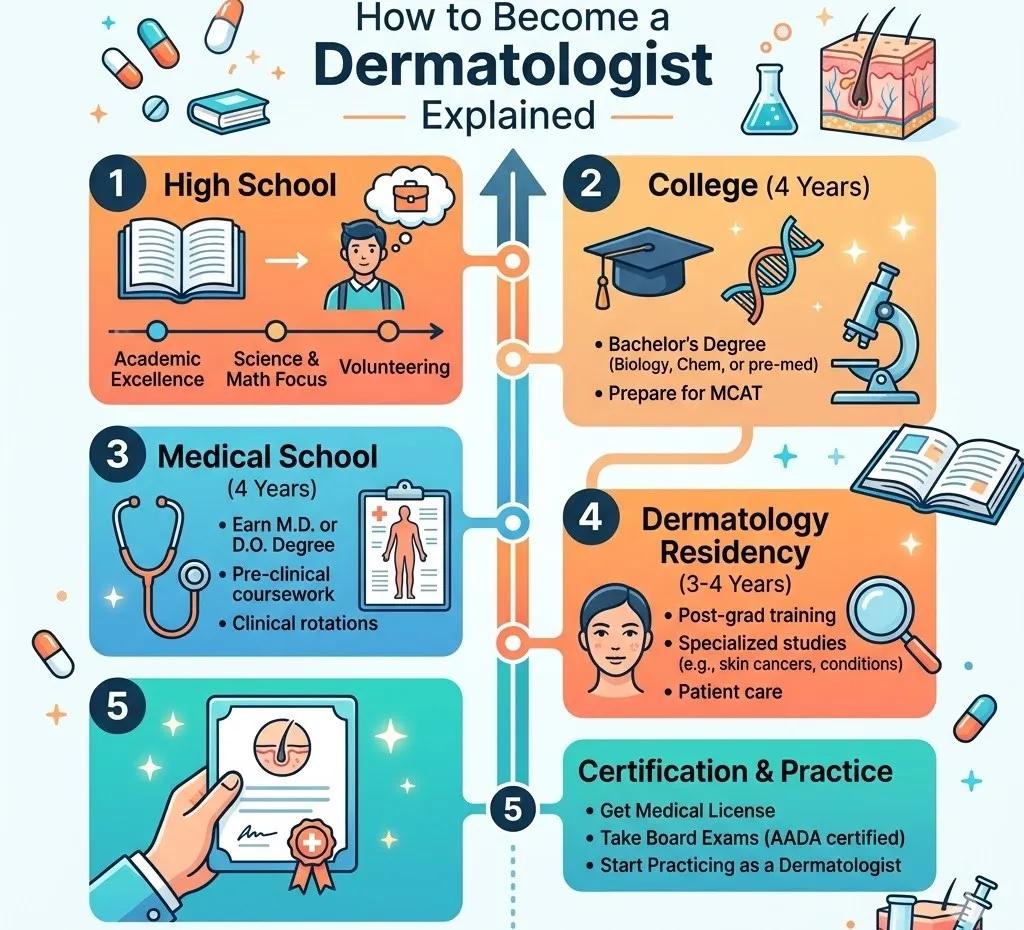
The journey generally includes:
Completing a bachelor's degree
Attending medical school
Passing required licensing examinations
Undertaking a dermatology residency program
Pursuing advanced specialization if desired
To develop more in-depth knowledge, many professionals become aware that an industry-focused Fellowship in Dermatology complements their previous training and enhances the strength of their credentials.
Why is it important in today's industry?
Healthcare is unarguably one of the most important aspects of modern life, and dermatology is an essential part of healthcare. The rise in prevalence of skin diseases, cosmetic procedures, allergies and age-associated skin disorders has significantly increased the demand for trained specialists.
A few of the factors boosting industry growth include:
Increasing awareness of skincare and preventive medicine
Increased demand for cosmetic dermatology
Technological advancements in treatment methods
Expanding telemedicine services
Growing healthcare investments worldwide
Exploring how to Become a Dermatologist helps prepare thriving professionals for this highly growing field.
After completing this course, you will have a foundational understanding of cyber security. This includes concepts covered such as脑 What is Cyber Security 【⧐What Is Cyber Security » OpenStax
Key Skills and Knowledge You Gain
A good dermatologist needs to know about medical as well as patients. Motivated practitioners are taught all about the fundamentals of comprehensions during residency and advanced clinical training.
Clinical Skills
Diagnosis of skin disorders
Treatment planning
Surgical procedures
Cosmetic dermatology techniques
Patient counseling
Technical Knowledge
Dermatopathology
Laser treatments
Skin cancer management
Allergy testing
Pediatric dermatology
Professional Skills
Communication abilities
Analytical thinking
Ethical decision-making
Time management
Research capabilities
Industry-Specific Fellowship in Dermatology provides learners with the necessary knowledge and practical experience that aids in career advancement.
Professional Comparison Table
Feature | Details |
|---|---|
Program/Course | Dermatology Residency Program |
Duration | Usually 6113 Years |
Eligibility | Medical Degree and Licensing Requirements |
Learning Mode | Hands on Clinical Training and Practical Experience |
Key Skills | Diagnosis, Treatment, Surgical Procedures |
Career Opportunities | Hospitals, Clinics, Research Centers |
Certification/Support | Board Certification And Professional Guidelines |
Why Does it Matter — The Importance of Timing for your Residency Calls
Timing for applying to dermatology residency programs is crucial. Dermatology is extremely competitive, so good planning increases your chances.
Important considerations include:
Academic performance
Clinical experience
Recommendation letters
Research publications
Licensing examination scores
Step 5: The last part of How to become a dermatologist is knowing when should it ideally take place.
Recommended Timeline
Third Year of Medical School
Begin exploring dermatology electives.
Participate in research opportunities.
Build relationships with mentors.
Fourth Year of Medical School
Prepare application documents.
Submit residency applications.
Attend interviews.
Good preparation increases a chance to match with the best residency programs.
Career Prospects & Future Scope For How To Be A dermatologist
It reveals the several choices available while Learning How To Become A Dermatologist Dermatologists are found in clinical, academic, cosmetic and research environments.
Popular Career Opportunities
General Dermatologist
Cosmetic Dermatologist
Pediatric Dermatologist
Dermatopathologist
Mohs Surgeon
Academic Researcher
Medical Consultant
Employment Settings
Hospitals
Specialty Clinics
Medical Universities
Research Institutions
Cosmetic Centers
Telemedicine Platforms
A useful Fellowship in Dermatology will enhance the career choices and enable experts to choose a specialization in advanced therapeutic domains.
Pros of Complete Guide to Become a dermatologist
Career opportunities in dermatology are both stable and satisfying long-term.
Key Benefits
Strong earning potential
High demand worldwide
Opportunities for specialization
Flexible work environments
The potential to enhance quality of life for patients
Continuous learning opportunities
Professional Advantages
Reputation within the healthcare sector
Opportunities for private practice
Research and teaching possibilities
International career prospects
Advanced cosmetic procedure expertise
Such perks make dermatology one of the most desirable specialties in medicine.
Selecting a Course or Training Session
Choosing the right education process is most significant in building career.
Consider the following factors:
Accreditation
Prefer the designations made by established and reputed institutions.
Practical Exposure
The successful acquisition of the clinical skill is accomplished via practice.
Faculty Expertise
Gain insights from seasoned experts and professionals.
Curriculum Quality
Make sure programs include both theory and practical knowledge.
Career Support
Seek out institutions that offer mentorship and guidance.
If you seek further specialization through an able Fellowship then a professional career in Dermatology can really step up the ladder.
Advantages of Selecting a Professional Training Institute
There are many great benefits of enrolling with a trusted training provider for aspiring dermatologists.
Expert Trainers
Professors also provide guidance and mentorship.
Practical Learning
Increased confidence and technical skills bred in the wild during real-world clinical practice.
Industry-Oriented Curriculum
Programs are based on contemporary healthcare trends and standards.
Career Support
Professional institutions often assist with:
Residency preparation
Interview guidance
Research opportunities
Networking with specialists
Certification Guidance
The learners get assistance in how to meet certification needs and the way of promoting their careers.
A Reliable Fellowship in Dermatology offered by reputed organizations can help in enhancing the skills and career outcomes.
Industry Trends and Professional Growth
My field in dermatology continues to evolve with new technologies and treatment methods.
Emerging Trends
Artificial intelligence in diagnostics
Teledermatology services
Personalized skincare treatments
Laser and cosmetic innovations
Regenerative medicine
Advanced skin cancer therapies
Future Growth Opportunities
Cosmetic dermatology expansion
Research and innovation
Global healthcare opportunities
Digital healthcare integration
Academic leadership roles
Such trends guarantee the continued high demand as well as interesting career opportunities for specialists of the future.
Conclusion
Step One of Your Journey: How to Become a Dermatologist – An Academic Career Everything from picking the right educational track to the timing of applications for residency programs can have a huge impact if you plan correctly.
Further specialization by completing a professional Fellowship in Dermatology can improve tricks and career progression prospects.
Given healthy industry demand and ongoing advancements in healthcare, this is a fantastic time to research training options and continue you path toward becoming a highly skilled dermatology professional!
Frequently Asked Questions
Who can apply to dermatology residency programs?
Most residency programs request candidates to have medical degrees, qualifications for passing licensing examinations, and exceptional academic records.
What will I be able to do after finishing my training in dermatology?
Graduate may get jobs in hospitals, clinics, cosmetic centres as well as academics, research, and telemedicine.
The Importance of Board Certification For Dermatologists
And if the goal of the question is to find out if board certification matters for your professional career or work, that depends on the country.
Skills from dermatology training
Students specialize in diagnosis, treatment procedures, cosmetic dermatology, communication skills with patients and research methods.
Can you do a subspecialty 'entry-level' after residency?
Do dermatologists have fellowships?