
How to Become a Dermatologist
The healthcare sector is growing more quickly than ever, and this translates to top prospects for additional medical personnel at each stage of patient care. Out of all these, dermatology is one such field which has excited mass interest and excitement due to growing awareness about skin health, growing cosmetic treatments and advancements in medicine. With growing awareness of skincare and preventive healthcare, the need for qualified dermatologists is proliferating globally.
Still, have you ever wondered how to become a dermatologist and start your thriving career in this brilliant field of medicine? In addition to basic medical education, specialist courses like Professional Fellowship in Dermatology can assist practitioners in improving their skills, staying updated with the latest developments in Dermatology and boosting their career prospects. Dermatology is still one of the most attractive medical specialties around, offering great pay, various pathways to practice and the chance to positively impact patients' lives.
How to Become a Dermatologist?
Professions in medicine are very noble and rewarding, but they also require preparatory as well as professional training using specialised equipment. The field of dermatology, or the study of skin disorders is among these domains.
A dermatologist is a physician who specializes in diagnosing and treating diseases of the skin, hair, and nails including acne, eczema, psoriasis and other dermetological issues. Furthermore, numerous dermatologists offer aesthetic treatments which enhance appearance and give the patient confidence.
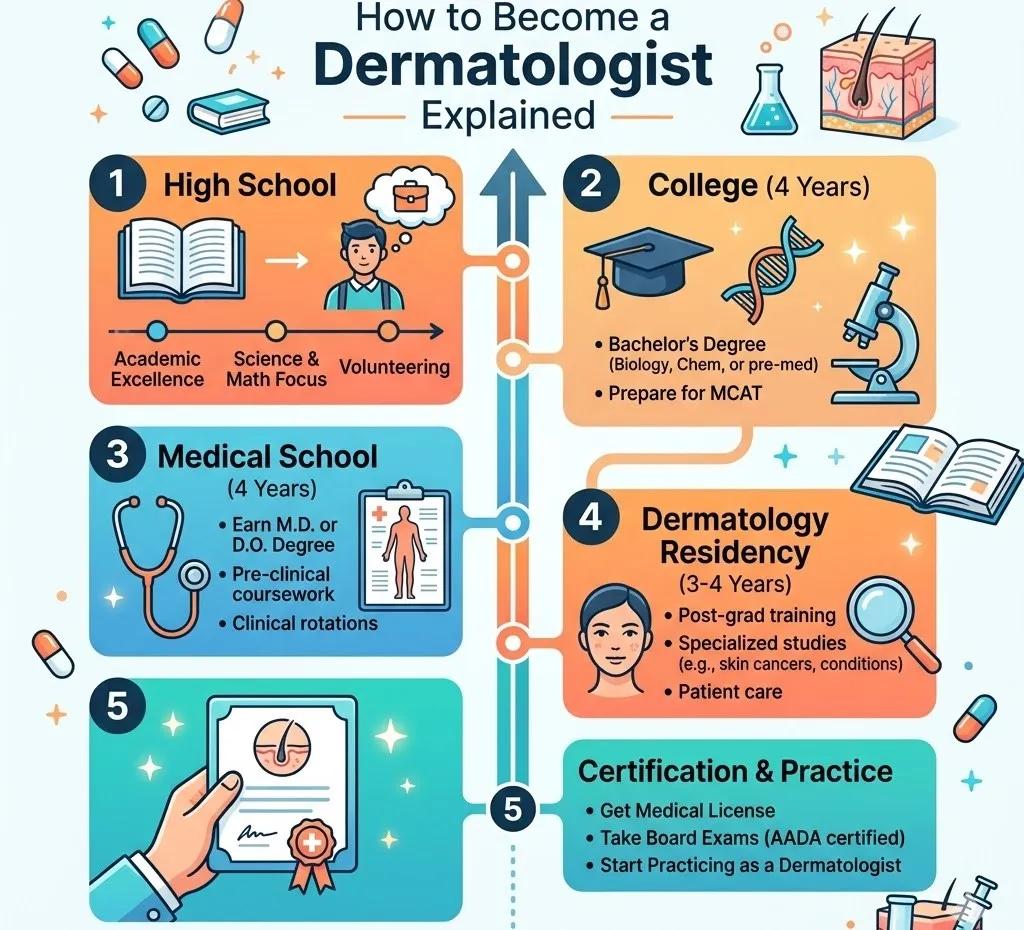
The journey typically includes:
Business is what you do after class 11 and 12 in science
Earning a medical degree
Completing internship and residency training
Obtaining relevant certifications and licenses
Pursuing advanced specialization if desired
Dermatology combines multiple facets of healthcare — from medical science to patient care and technology to aesthetics.
Why Is It Important in Today's Industry
Dermatology is an important area of modern healthcare. Many millions of individuals worldwide are affected by skin disorders, often with a disproportionate effect on those who have limited access to specialist services where accurate diagnosis and categorisation can greatly influence treatment outcome.
The significance of dermatology has been emphasized both through several reasons as follow:
Rising prevalence of skin disorders
More awareness on how to prevent skin cancer
Plateau of the developing market for restorative and stylish treatment
Laser & Skincare Technology Developments
Demand for personalized skin treatments
Hospitals, clinics and cosmetic centers are in the search of trained dermatology professionals that can provide better patient care to their clients.
The Major Skills and Knowledge You Gained
People studying How To Become A Dermatologist will learn a variety of medical, technical and interpersonal capabilities.
Clinical Skills
Skin disease diagnosis
Patient assessment
Medical treatment planning
Preventive care strategies
Dermatological procedures
Technical Knowledge
Cosmetic dermatology
Laser treatments
Skin imaging technologies
Advanced skincare solutions
Medical dermatology research
Professional Skills
Communication with patients
Critical thinking
Clinical decision-making
Ethical medical practice
Problem-solving abilities
A Fellowship in Dermatology also further elevates a professional level of clinical exposure and domain expertise at the post-graduate level.
Career Opportunities and Future Scope
The extensive career prospects in healthcare sectors is one of the best parts of How to become a dermatologist.
Popular Career Paths
Consultant Dermatologist
Cosmetic Dermatologist
Clinical Dermatology Specialist
Medical Research Professional
Aesthetic Medicine Practitioner
Academic Faculty Member
Hospital Dermatology Consultant
Private Practice Specialist
Industries Hiring Dermatology Professionals
Hospitals
Specialty Clinics
Cosmetic Centers
Healthcare Organizations
Research Institutions
Medical Colleges
Telemedicine Platforms
The future continues to look bright with sustained demand in medical and cosmetic dermatology. Whether from a general districts gains additional credibility and professional advancement through the presence of a Fellowship in Dermatology.
Advantages of Studying How to Become a Skin doctor
The dermatology field also comes with a lot of benefits.
Professional Benefits
High-demand medical specialty
Strong earning potential
Excellent work-life balance
Diverse career opportunities
Continuous learning environment
Personal Benefits
A chance to enhance the quality of life for patients
Capacity to correct obvious health problems
Enhanced professional reputation
Long-term career stability
Learning Benefits
Advanced medical expertise
Exposure to modern technologies
Specialized treatment knowledge
Research and innovation opportunities
Dermatology blends routine medical practice with aspects of cosmetic applications making it one of the most exciting careers in health care today.
Professional Training Overview
The table below outlines the typical options all pathways for professional dermatology training.
Feature | Details |
|---|---|
Program Course | Dermatology Education and Specialization |
Course Duration | A few months or several years |
Eligibility | Medical degree and professionals |
Teaching Mode | Online Offline Hybrid |
Key Skills | Diagnosis quality Test procedures patient satisfaction |
Career Scope | Various healthcare sectors |
Certification Support | Available |
Table of Contents:
Dermatology Education and Specialization
Course Duration
Eligibility
Teaching Mode
Key Skills
Career Scope
Top Colleges
Average Salaries
Certification Support
Derm Biology course in Virar Maharashtra Course Overview Program Type Graduates course Duration A few months or several years Eligibility Medical degree and professionals Teaching Mode Online Offline Hybrid Key Skills Diagnosis quality Test procedures patient satisfaction find out11 more rows •Dec 17, 2021.
Find the Right Training or Course
The educational path you select will set the tone for your dermatology career so choose wisely!
Evaluate Curriculum Quality
Look for programs that cover:
Medical dermatology
Cosmetic procedures
Clinical case studies
Practical applications
Industry best practices
Check Faculty Expertise
They are backed by trainers who have boots on the ground and they can give you a lot of insight into the real-world work throughout your learning journey.
Assess Practical Learning Opportunities
Learner are hands-on exposure built-up confidence and improve the clinical competence.
Review Certification Value
Select programs which includes recognised Certifications and professionals building assistance.
A good career-oriented Fellowship in Dermatology offers advanced, structured training that provides clinical exposure beyond hallowed medical school courses.
Why enroll in a professional training institute?
Enrolling in a good training provider can drastically enhance your learning and career path.
Expert Trainers
Professional institutes often have experienced dermatologists and health care educators on their staff to provide practical industry knowledge.
Practical Learning Environment
Students benefit from:
Clinical demonstrations
Case-based learning
Hands-on workshops
Real-world scenarios
Industry-Oriented Curriculum
Their programs align with relevant trends in dermatology and current healthcare needs.
Career Support Services
Many institutions offer:
Career counseling
Placement assistance
Professional networking opportunities
Interview preparation
Certification Guidance
Industry recognise certifications enhances as well as uplift a learner's job readiness.
Picking the right learning provider can make all the difference in terms of reaping maximum reward in your professional Fellowship in Dermatology and thriving long-term.
Industry Trends and Professional Growth
Technology and patient care progress, as dermatology continues its evolution.
Emerging Industry Trends
Artificial intelligence in skin diagnostics
Teledermatology services
Personalized skincare treatments
Advanced laser therapies
Regenerative medicine applications
Future Growth Opportunities
Cosmetic dermatology expansion
Increased demand for preventive care
Growth of aesthetic medicine
International healthcare opportunities
Research and innovation roles
We who upgrade their skills, put ourselves in a better position to seize these opportunities.
Conclusion
Knowing how to become a dermatologist will be your first step towards fun and future-oriented pk in medical science. It's one of the best blends of clinical, technology, career advancement, and patient outcomes; dermatology continues to be a “sweet spot” within medicine. It continues to be one of the most sought after medical specialties today, with robust interest and expanding job prospects in the business.
Regardless of whether you are embarking on your medical journey, or searching for further specialization in your field, a systematic approach and well-structured courseWork directed by achieving Dermatology focused goals can benefit from improving your knowledge base scope and greater standing effectiveness. Look for the quality training, or further your education to take your step forward to successful dermatology future.
FAQs
1. What qualifications are required to become a dermatologist?
More often than not, you have to get through medical school, residency in dermatology and licensing obligations (case depending on the country).
2. What is the benefit of a Fellowship in Dermatology?
One reason to do dermatology is because it has one of the strongest job demands, offers excellent earning potential and opportunity for career stability in both medical and cosmetic healthcare sectors.
3. What is the use of Fellowship in dermatology?
Fellowships offer you specialized knowledge, advanced clinical training and even career-boosting professional development.
4. When can, or should, a beginner get into dermatology?
Yes. You can start small with some foundational dermatology concepts and then move on to specialized training as a medical student or healthcare professional.
5. What can I do after dermatology?
This degree and career can lead graduates to the workplaces of hospitals, clinics, cosmetic centers, research institutions, medical colleges, telemedicine channels or private practice.