

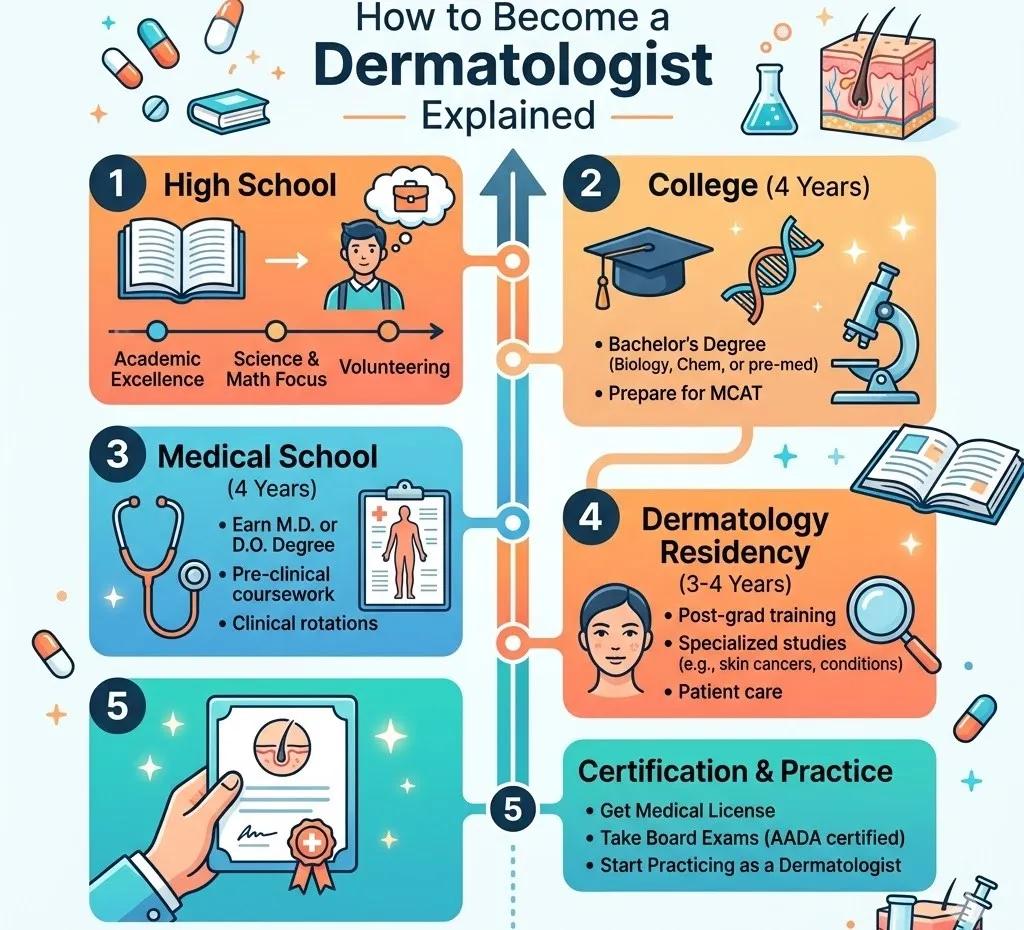
How to Become a Dermatologist
With the booming growth of healthcare industry, study medicine abroad is a course offered in several countries and master medical professionals are increasingly being sought after across the world. Of those specialties, dermatology has risen to one of the most rewarding and revered choices within modern medicine. Social Impact of DermatologyDermatologists treat some skin conditions and appear to promote improvement in the confidence and overall wellness of many of their patients, but they serve a crucial function in the healthcare system. With the increasing interest in skin care, cosmetic procedures and preventive health care, the demand for trained specialists continues to grow. This increasing desire has prompted numerous students and medical hopefuls to look for How To Be A Dermatologist as a permanent career choice. In addition to academic qualifications, a professional Fellowship in Dermatology can prepare learners with the knowledge-based expertise and access to industry for proficiency in this competitive field.
How to Become a dermatologist ?
How to Become a Dermatologist provides information on education, clinical training, and professional skills for specializing in healthcare treatment of the skin, hair and nails. Dermatologists specialize in diagnosing and treating conditions affecting the skin, hair and nails; from cosmetic issues such as acne to medical dermatology issues including eczema, psoriasis, allergies, infections and skin cancers.
Students entering this field usually take the following courses:
A medical degree
Clinical internship training
Specialized dermatology education
Advanced certifications or fellowships
Practical patient-handling experience
Dermatologist works with the neonatal and adult patients suffering from non malignant/ maligant skin diseases in hospitals, private clinics, cosmetic centers, research institutions or other healthcare organizations. As cosmetic procedures have become more sophisticated and aesthetic medicine has advanced, there is now much greater career scope in the profession.
Importance in the current industry
Recent years have witnessed phenomenal growth in the skincare & aesthetic medicine industry. Modern-day lifestyle changes, pollution caused by the rapid industrialization of countries, stress, and rising awareness about skin health have led to the increase in demand for dermatology services during recent years.
The healthcare industry today is looking for doctors who can integrate medical knowledge with patient-centred treatment. Learning how to Become a Dermatologist guide helps candidates choose one of the most stable and long-term rewarding careers.
The modern era of dermatology also encompasses sophisticated cosmetic conditions, such as:
Laser treatments
Anti-aging therapies
Chemical peels
Hair restoration treatments
Skin rejuvenation procedures
Real-time fellows in dermatology use practical approaches with modern treatment; this makes them more employable and valuable in the healthcare industry.
Skills and Knowledge You Will Gain
For being an excellent dermatologist, one should likewise be technically skilled as well as should have good communication skills. In dermatology, it is not just about diagnosing skin conditions but getting to know patient concerns and creating individualized treatment plans.
Medical and Clinical Skills
Here is what the students and professionals learn:
Skin anatomy and physiology
Diagnosis of skin disorders
Cosmetic dermatology procedures
Laser and aesthetic treatments
Patient consultation techniques
Skin allergy management
Hair and nail disorder treatments
Soft Skills for Professional Success
Important professional skills include:
Communication and patient interaction
Attention to detail
Problem-solving ability
Clinical decision-making
Ethical medical practices
Time management
Patient counseling
Fellowship in Dermatology (Industry based): This Fellowship programme helps learner to develop both technical & practical aspects of dermatology by exposing them into real-world clinical environment.
Career Opportunities and Future Scope
A guide on How to Become a Dermatologist is most beneficial because of the extensive career opportunities provided in medical and cosmetic faculties.
Popular Career Opportunities
Some of the positions qualified dermatology professionals can perform are:
Clinical Dermatologists
Cosmetic Dermatologists
Aesthetic Medicine Specialists
Skin Care Consultants
Medical Researchers
Dermatology Trainers
Hospital Consultants
Cosmetic Clinic Experts
Growing demand for certified dermatology specialists in urban and rural healthcare markets owing to rising popularity of skincare and beauty treatments over the past years.
Future Industry Scope
The Future of Dermatology The future has never looked so bright on the dermatological front due to:
Rising skincare awareness
Growth in cosmetic procedures
Expansion of telemedicine services
Increased demand for anti-aging treatments
Technological advancements in laser therapies
Dermatology focused Fellowships provide a more hands on approach and usually also expose the new Doctor at recent technological advances or unique treatment practices.
Learning the Benefits of How to Become a Dermatologist
Getting into dermatology is advantageous both professionally and personally. BLEND OF SCIENCE AND CARE Medical Science combined with Patient Care along with the scope of Learning Continuously makes it much more interesting.
Key Benefits
High earning potential
Strong career stability
Growing industry demand
Opportunities for specialization
Flexible work environments
Professional recognition
Can enhance the confidence and wellbeing of patients
Dermatology also provides professionals the ability to work in various healthcare environments, such as hospitals, cosmetic clinics, wellness centers and private practice.
Professional Dermatology Training Comparison
Feature | Details |
|---|---|
Program/Course | Dermatology Training Program |
Duration | 6 Months to 3 Years |
Eligibility | Medical Graduates or Healthcare Professionals |
Learning Mode | Online, Offline & Hybrid |
Key Skills | Skin Diagnosis, Cosmetic Procedures and Laser Treatments |
Career Opportunities | Dermatologist, Cosmetic Consultant or Clinical Specialist |
Certification/Support | Industry Certification and Career Guidance |
Selecting the Appropriate Course or Training
Choosing the appropriate education path is vital to success in any dermatology career. An ideal course would have theoretical knowledge and some clinical practice related to it.
Factors to Consider
Expert Faculty
Pick institutes imparted by experienced dermatologists/medical trainers that provides humane perspectives and practical guidance.
Practical Learning
Understanding Clinical Diagnosis and Treatment Procedure: A better take — Hands-on clinical exposure
Industry-Oriented Curriculum
A professional curriculum should include:
Cosmetic dermatology
Laser therapies
Skin treatment technologies
Clinical case studies
Patient consultation training
Certification and Career Support
Students can enhance their employability and professional journey by enrolling in recognized institutes providing certifications along with career guidance.
A Fellowship in Dermatology offers an organized clinical training both for the development of pathways to build confidence and adequate skills transferable to industry.
Industry Trends and Professional Growth
When it comes to dermatology, the industry is always changing in terms of new treatment methods and technology. Keeping up with industry developments can help professionals succeed in the long run and land promotions.
Emerging Trends in Dermatology
Latest Trends in Industry:
AI-based skin analysis
Advanced laser technologies
Personalized skincare treatments
Non-invasive cosmetic procedures
Tele-dermatology services
Regenerative aesthetic medicine
Healthcare entities will be looking for professionals specialized through certification and years of clinical training. Continuous learning is thus extremely important for career progression.
Why one should opt for a professional Dermatology training Institute?
An institute enables aspirants to get quality education and build career in dermatology.
Advantages of Professional Training
Experienced Trainers
There is a gap in clinical understanding and insights which can be learned from qualified industry professionals.
Hands-On Experience
This will allow them to try practical training sessions, which help learners build confidence in handling patients and performing cosmetic procedures.
Industry-Relevant Curriculum
Ensure to teach the advanced techniques and the treatment options by providing a career-oriented curriculum.
Career Assistance
Many institutes provide:
Internship opportunities
Placement support
Career counseling
Certification guidance
Industry-focused Fellowship with proven strategies in Dermatology provides students high-quality results by enhancing their career prospects in the healthcare sector.
Conclusion
Well, dermatologist is one such profession that works ideally for individuals who are enthusiastic about healthcare and have an interest in skincare and patient wellness. To Begin with: Only When the Understanding How to become a Dermatologist You will Prepare for a Career Path that is Rewarding and Appeal to Future The demand for dermatology is increasing due to a desire for both cosmetic and clinical skin conditions treatments, making these trained professionals hot property in the healthcare environment.
A better education and training route can help in career success over the longer run. With a professional Fellowship in Dermatology, the practical exposure, advanced clinical knowledge and developing skills will surely enable learners to stand out in this competitive field. Whether you are a fresher or want to do further specialization, dermatology is the best subject to pursue now which can help in building a better future as well.
FAQs
1. What education do you need to enter dermatology?
Dermatologists require a medical degree and then complete the practical clinical training in specialized skin care — general dermatitis and dermal medicine.
2. Is dermatology a good career in the healthcare field?
Yes, dermatology is a gratifying medical specialization that offers robust demand, high earnings potential and varied career options?
3. What are the crucial skills required for dermatology professionals?
Essential skills: clinical diagnosis, communication, consultation with patients, knowledge of cosmetic procedures and problem solving.
4. Why would you want to do a Fellowship in Dermatology anyways?
A fellowship most importantly, will expose a learner to advanced practical training, clinical exposure and knowledge required in cosmetic and medical dermatology.
5. Does this mean that you can learn some of the dermatology concepts as a novice?
Yes, structured training programs and professional certification courses in dermatology can allow beginners from a medical or healthcare background to begin learning the field.